
EV Charger Installation in Morgan Hill & Santa Clara County
BNV Electric installs EV charging infrastructure with attention to panel capacity, load calculations, clean routing, permits, and long-term electrical safety.
Practical Electrical Planning for the Work Ahead
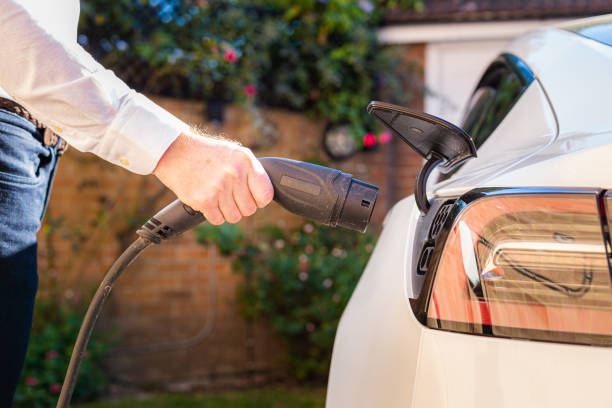
EV charger installation is more than mounting a charger. The electrical system needs to support the load safely. BNV Electric reviews available capacity, charger type, routing, disconnect or breaker requirements, permitting needs, and future expansion so the installation is clean and reliable.
Who This Service Is For
BNV Electric is a good fit when the project needs clean planning, dependable workmanship, and electrical decisions that account for future loads.
Homeowners adding Level 2 charging
Tesla Wall Connector and hardwired charger installs
NEMA 14-50 and dedicated circuit requests
Commercial properties planning EV charging
Local properties across Santa Clara County
Serving Morgan Hill, San Jose, Santa Clara, Gilroy, Los Gatos, and nearby communities.
Common Problems BNV Solves
- Panels without enough available capacity
- Long or difficult wire routing from panel to charger
- Unpermitted or undersized charger circuits
- Future EV needs that were not planned into the electrical scope
Built Around Safety, Capacity, and Reliability
Every recommendation starts with what the electrical system can safely support today and what the property may need next.
Scope of Work
Tesla Wall Connector installation
Tesla Wall Connector planning starts with charger location, desired charging speed, circuit size, wire routing, panel capacity, and whether load management is needed.
Hardwired Level 2 EV chargers
Hardwired Level 2 chargers are planned around manufacturer requirements, circuit sizing, mounting location, disconnect needs, and the cleanest route from the panel.
NEMA 14-50 outlet circuits where appropriate
NEMA 14-50 circuits are considered when they fit the charger, garage layout, panel capacity, and owner needs better than a hardwired installation.
Panel capacity and load calculations
Panel and load calculations determine whether the existing service can support the charger or whether load management or a panel upgrade should be considered.
Residential and light commercial EV charging
Residential and light commercial charging plans account for parking layout, access, usage patterns, charger placement, and the electrical capacity available on site.
Permits and inspection coordination when required
Permit and inspection planning is based on charger type, circuit size, routing, panel work, and local requirements where they apply.
Process
Confirm vehicle, charger type, and charging goals
Review the electrical panel and available load capacity
Plan routing, breaker size, permit needs, and install location
Install, test, label, and review safe operation
Permitting, Inspection, and Coordination Notes
EV charger work may require a load calculation, permit, inspection, panel upgrade, or load management approach depending on the property. BNV Electric checks those details before installation.
Related Services
Service Areas Served
BNV Electric is based in Morgan Hill and serves customers across Santa Clara County.
Frequently Asked Questions
Do I need a panel upgrade for an EV charger?
Not always. BNV Electric reviews your existing panel and load before recommending a new circuit, load management, or a panel upgrade.
Can you install a Tesla Wall Connector?
Yes. BNV Electric installs Tesla Wall Connectors and other common hardwired Level 2 EV chargers when the electrical system supports the load.
Is a NEMA 14-50 outlet always the best option?
Not always. A hardwired charger can be cleaner and more secure in many situations. The right choice depends on your charger, location, and electrical system.
Do EV charger installations need permits?
Many EV charger installations require permits and inspection. BNV Electric can help plan the permitted installation path.
How BNV Checks Whether a Panel Can Support an EV Charger
Can an existing panel support a Level 2 EV charger? Sometimes. The answer depends on the charger, desired charging speed, existing loads, panel capacity, circuit route, and the property’s future plans. An open breaker position alone does not confirm that the added load is appropriate.
BNV Electric reviews the electrical system before recommending a hardwired charger, receptacle option, load-management approach, or panel/service upgrade. For a deeper planning overview, read Can My Panel Handle a Level 2 EV Charger?. If the project requires added capacity, see Electrical Panel & Service Upgrades.
More Questions Customers Ask
How does charger placement affect the installation?
Placement affects conduit routing, wire length, weather exposure, parking layout, wall structure, and whether the charger can be mounted cleanly and safely.
What is the difference between a hardwired charger and a receptacle?
A hardwired charger is permanently connected and is often cleaner for Level 2 charging. A receptacle can be useful in some cases, but the right choice depends on the charger and electrical system.
Can BNV help with EV charger load management?
Yes. If panel capacity is limited, BNV Electric can review whether load management, circuit planning, or a panel upgrade is the better solution.
Tell Us About Your Project
Share what you are planning, what is not working, or what you need powered next. BNV Electric will help you sort the electrical path forward.
Project Proof
Hardwired EV Charger Replacement Example
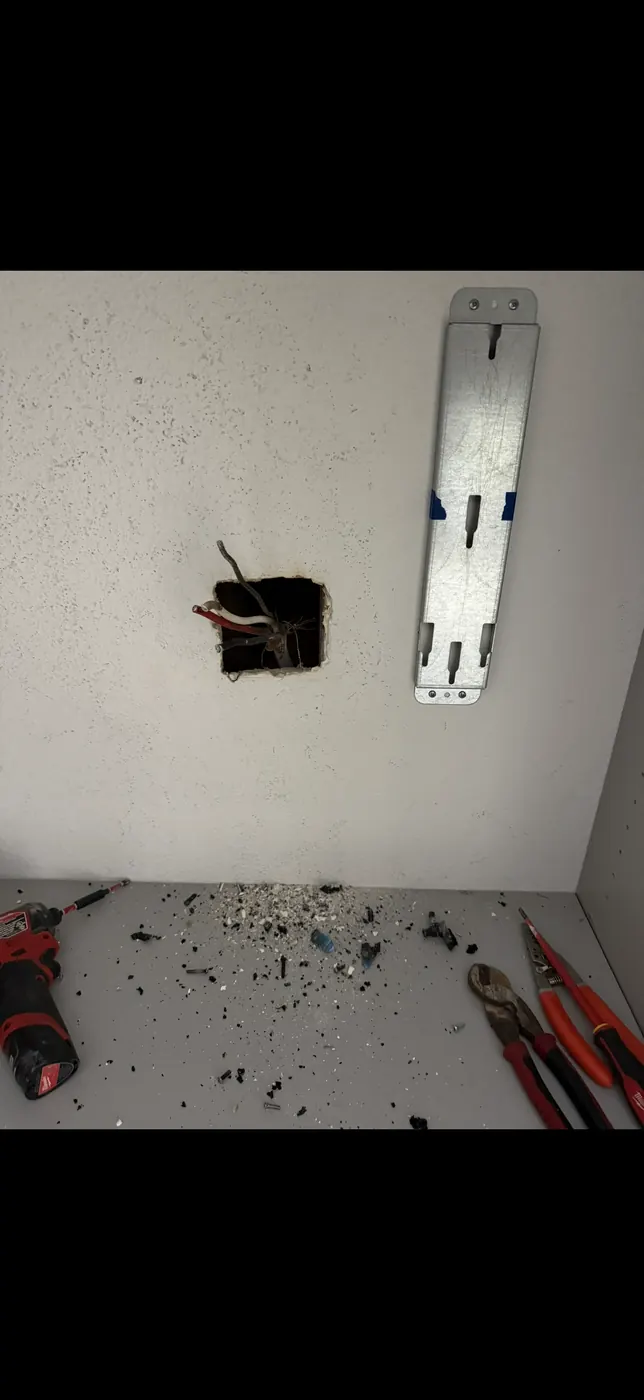
This Morgan Hill EV charger project started with a damaged charging receptacle and moved toward a safer hardwired replacement path with practical electrical planning.
View EV Charger Project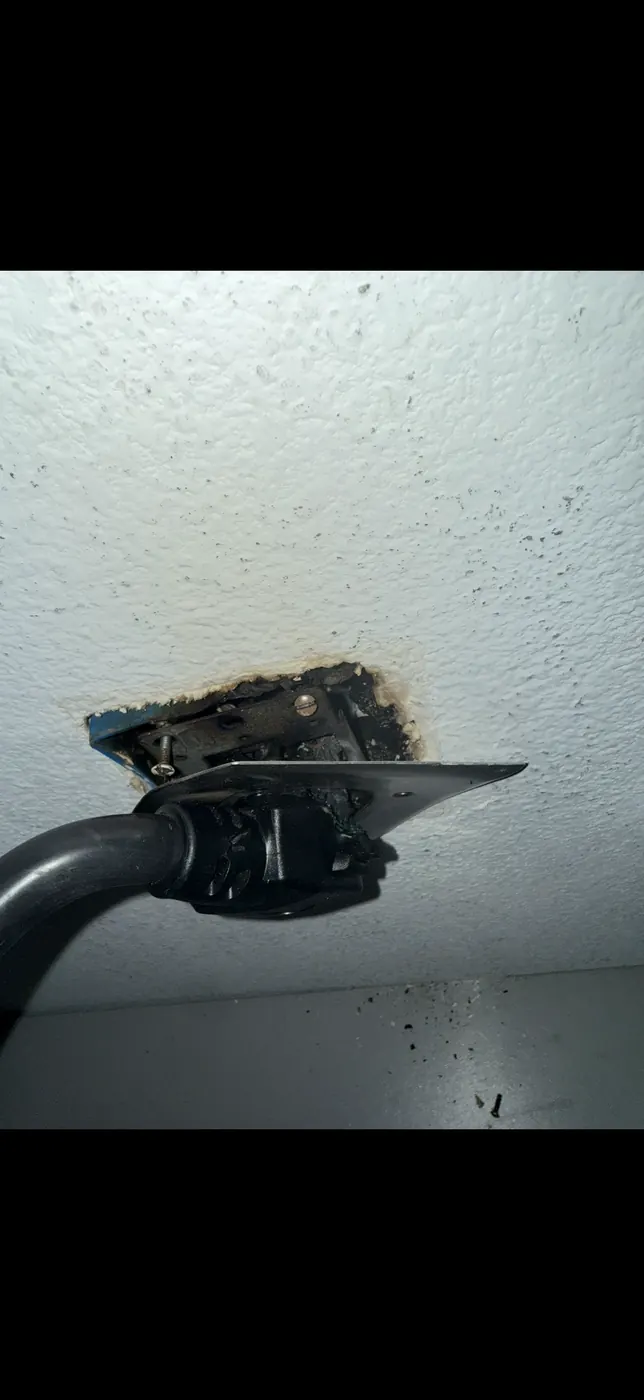

EV charger resources
Related EV Charger Project and Guide
Connect EV charger installation planning with panel capacity and safer hardwired equipment.